Cyberattack on the company: Communicating redundantly with the employee app

Introduction:
Cyber attacks are one of the biggest threats to companies. According to a study by the Federal Office for Information Security (BSI), the number of attacks has increased exponentially in recent years. Small and medium-sized enterprises (SMEs) are particularly affected, as they often do not have adequate security precautions in place. In such crisis situations, redundant and secure communication is crucial to safeguard operational processes and keep employees informed.
What does redundant communication mean?
Redundancy in communication means that information is provided via multiple channels to ensure that it reaches all relevant recipients - even if individual communication channels fail. This is particularly relevant in the case of cyber attacks, as the primary IT systems and email servers are often affected.
Why employee apps are ideal
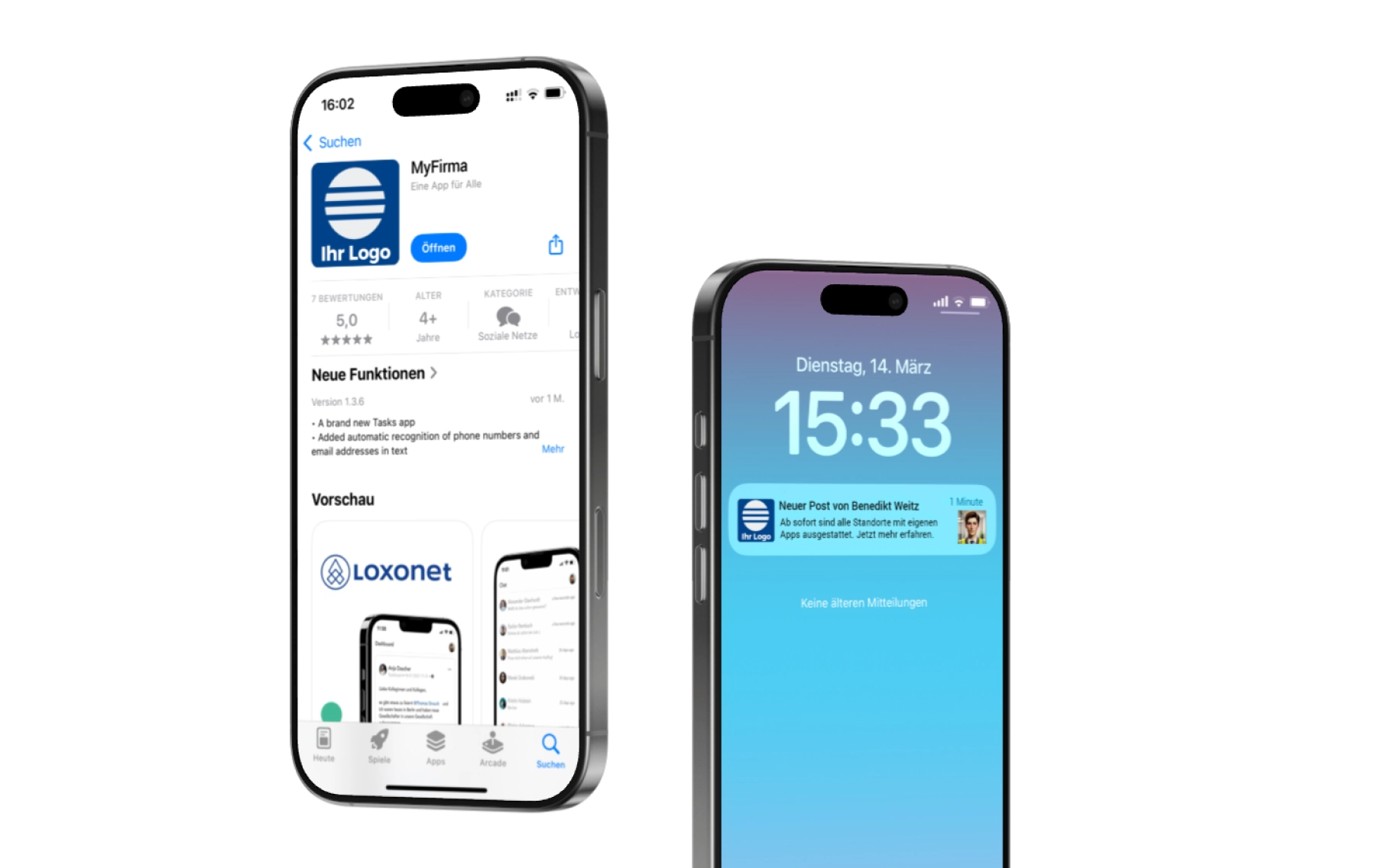
An employee app offers a central platform for internal communication. Cloud-based solutions enable companies to provide information independently of their own IT infrastructure.
- Multiple communication channels: Push notifications, in-app messages, and automated SMS are just a few examples.
- Security precautions: Many employee apps use end-to-end encryption and multi-factor authentication to protect sensitive data.
- Offline functionality: Some apps allow access to stored content even when there is no internet connection.
Practical examples from crisis communication:
- Immediate information for employees: Companies can inform all employees directly via push notification and provide instructions on data security.
- Alternative access points: If internal networks are brought down by an attack, the app can be operated via external servers.
- Coordination of emergency teams: Group functions can be used to address departments in a targeted manner and coordinate measures more quickly.
Legal aspects and compliance :
When using employee apps in crisis situations, companies should ensure that they comply with the data protection requirements of the GDPR. This includes being transparent to employees about how their data is used.
Conclusion:
An employee app is not a substitute for comprehensive IT security measures, but it can be a crucial tool for remaining able to act in a crisis. Companies should regularly review their communication strategies and implement tools that ensure redundancy and security.
By using modern technologies, the workforce can be informed, motivated and protected even in difficult times – a crucial factor in emerging stronger from crises.